
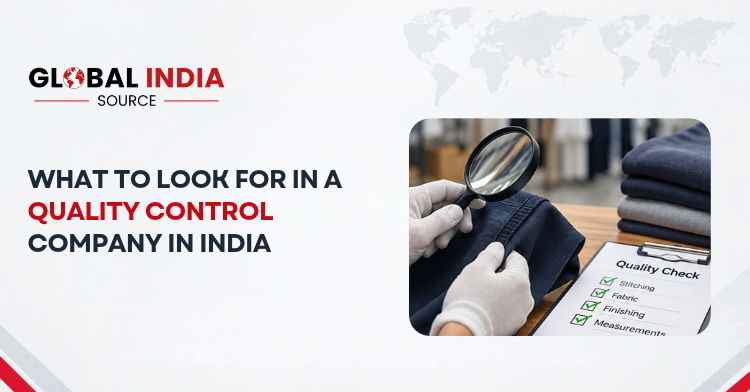
India provides a fantastic opportunity for purchasing and manufacturing products for companies around the globe. Textiles, electronics, auto parts and consumer products can all be manufactured in India and then either sold within the country or internationally. However, issues can arise regarding the quality of the products at supplier/batch level.
This is where a Quality Control Company can help. They can help to ensure that products meet their specifications. They provide support over production processes, identifying issues and ensuring that quality requirements are being met. Choosing the correct Quality Control Partner will help International Buyers reduce risk when purchasing their products. This reduces losses from returns/reworks and ensures customer satisfaction.
Choosing the right inspection services is very important. Below are some tips.
What is a Quality Control Company?
These companies work alongside manufacturers, suppliers, exporters, importers and international buyers to identify issues and ensure quality standards are maintained.
If you are not able to regularly oversee production processes in India it is recommended that you use third party Quality Control Companies.
Third party Quality Control Companies will do things including:
- Checking incoming material and finished products to meet the required specifications.
- Identifying any issues/defects with the production processes and quality control system.
- Checking measurements, functions and packaging.
- Overseeing production processes and supplier performance.
- Making sure they adhere to the correct industry and regulations.
Independent inspections provide an extra level of reassurance for International Buyers.
Quality Inspection Services Offered by QC Firms in India
The majority of Quality Inspection Services offered in India will cover:
- Factory Audit
A factory audit is when an auditor visits and evaluates the production capability, facilities, workforce, machinery and quality control of the manufacturer.
- Pre-Production Inspection (PPI)
A Pre-Production Inspection is carried out prior to production beginning. The inspector will check the materials, components, sample and production setup.
The aim of a Pre-Production Inspection is to reduce risks of faulty materials. It also prevents any delay.
- During Production Inspection (DUPRO)
A During Production Inspection is carried out whilst production is taking place. It is done once part of the order has been produced.
During this inspection process, the inspector will check the quality of product, craftsmanship, measurements and consistency. This means that manufacturers can fix any issues before finishing their order.
- Pre-Shipment Inspection (PSI)
A Pre-Shipment Inspection is carried out at the end of production. It is done just before the products are shipped from the factory/warehouse.
Things that are typically checked are:
- Quantity of products and meeting specifications.
- Quality/craftsmanship and any visible issues.
- Functionality of the product.
- Packaging/labeling/markings.
- Container Loading Inspection
This service checks the goods and loading process.
To ensure the cleanliness of the container, correct quantities have been used, the good packaging and how they are loaded, and that the container has been sealed.
Minimises damage, handling issues and differences.
Benefits of Using a Third Party Quality Inspection Company
Using a third party inspection company will help you by:
- Reduce risk when sourcing: It can identify any faulty items, and any issues with your suppliers.
- Ensure consistent quality of the products: Ensuring they are meeting your specification.
- Save money: This will help avoid costly returns, replacements, repairs and complaints.
- Increased accountability of your suppliers: The reports given will show issues with your supplier.
- Improve customer satisfaction: With consistent quality, you will be building trust with your customers and protecting your brand.
- Improved transparency within the supply chain: You will be kept up to date with the progress of the production, and any quality issues.
Overall, third party quality inspections are an important part of international sourcing.
How does the Quality Inspection work?
Whilst every product will differ slightly depending on the service provider, the general process will be:
Step 1: Quality Specifications
The buyer will give details of the product specifications, approved samples, technical drawings, packaging requirements and acceptable quality levels.
Step 2: Decide Inspection Type
The inspection company will decide whether you require a Factory Audit, PPI, DUPRO, PSI or Container Loading Inspection.
Step 3: Inspection
Qualified inspectors will visit the manufacturing site and inspect the products using the correct method, tools and testing equipment.
Step 4: Record Faulty Items
The inspectors will record any faulty items, grade them according to how serious the issue is and compare them to the accepted level.
Step 5: Inspection Report
The company will provide an inspection report including photos, notes, test results and an overall summary.
Step 6: Correct Issues
If there are any quality issues, the manufacturer may need to repair, replace or repair the items.
Important factors to Consider When Choosing a Quality Control Company in India
Choosing your inspection partner shouldn’t just be based on price. Here are some of the key points to consider.
1. Experience in your industry : Do they have experience inspecting your product type i.e. Electronics, Textiles, Furniture, Machinery and Consumer Goods.
2. Technical Experts : Do they have trained experts who know how to inspect your product?
3. Comprehensive Services : Are they able to offer you a variety of services including factory audits, production inspections and pre-shipment inspections?
4. Clear Reports : Do they give you clear reports with photos, categorisation of defects and recommendations?
5. Inspection Methodology : Do they use recognised methods and appropriate sampling techniques i.e. AQL Sampling?
6. Unbiased : Can they give you an unbiased inspection?
7. Relevant Accreditations : Are they accredited with ISO9001 (quality management system) and relevant testing/inspections? Note: ISO9001 accreditation doesn’t guarantee they will be proficient at inspecting your product.
8. Price : Compare their prices, travel costs, testing costs and report times.
Common Quality Issues when manufacturing in India
When manufacturing it can depend on the quality of the raw materials, the capability of the manufacturer, the processes of the suppliers and complexity of your product.
Some common issues include:
- Raw Material Issues : The quality of the raw materials can vary and impact the durability of your finished products. Carry out incoming material inspections.
- Incorrect Dimensions : Your product might not be the correct size. Carry out standardised dimension checks.
- Poor Quality : Assembly issues, finishing issues and inconsistent manufacturing can cause issues with your product. Carry out regular in process inspections.
- Packaging : Poor packaging can cause damage to your product whilst being transported. Check they have the correct packaging requirements.
- Incorrect Labelling : Incorrect information, incorrect barcode or shipping labels can cause issues. Add labelling checks to your inspection.
Regular factory audits, having clear quality standards and using an independent inspection partner will help you to identify any issues.
The Advantages of Quality Control for International Buyers
International buyers can experience issues with:
- Limited visibility in factories
- Communication issues
- Inconsistent product quality
- Not knowing Indian rules and regulations.
Using a reliable Quality Control Company in India will help alleviate any concerns you have.
For example, if you’re sourcing electronics or furniture you can carry out pre-production and during production inspections to pick up any issues during the manufacturing process. Then finally you can carry out a pre-shipment inspection to see if your goods meet the agreed specifications.
You should also look into what regulations apply to your products in India. The Bureau of Indian Standards (BIS) oversee product certification, whilst some products must comply with Quality Control Orders (QCO). This will vary depending on your product type and you should ensure you know what exemptions apply and when they come into effect.
By combining quality management systems with independent quality inspection you will help international businesses make more informed decisions when sourcing.
Conclusion
Selecting the correct Quality Control Company in India will help you create a reliable sourcing and manufacturing process. Factory audits, monitoring production and pre-shipment inspections will help ensure your products are to a high standard.
By considering how much experience they have in your industry, quality inspection services, reporting, technical knowledge and certifications you can find a Quality Inspection Partner who will help keep your products to a high quality standard.
FAQ’s
What do Quality Control Companies in India do?
They provide product inspection, looking at manufacturing processes, finding faults and ensuring your goods meet the agreed specifications.
Why is quality inspection important when sourcing from India?
Quality inspection will help international buyers find any faults in manufacture, ensure your products meet the right specifications and reduce risk when sourcing.
What types of quality inspection services are there?
Factory audits, Pre-Production Inspection (PPI), During Production Inspection (DUPRO), Pre-Shipment Inspection (PSI), Container Loading Inspection.
What’s the difference between quality assurance and quality control?
Quality Assurance (QA) looks to improve processes to avoid faults. Quality Control (QC) looks to inspect and test products to find any faults.
When should I carry out a pre-shipment inspection?
Pre-shipment inspections should generally be carried out once most of your product has been manufactured and ready to ship. This will allow you to ensure the quality, quantity, packaging and specifications of your products.